Success Stories

Alexander Cheiki, Commercial Director at BeFC

“The Canadian market is highly promising, with strong interest from mid-sized companies in Cleantech solutions and partnerships with EU firms—an excellent opportunity for us. In phase one, we partnered with one Canadian company and initiated collaboration with another. In phase two, we look forward to expanding partnerships across sectors like agriculture, industrial services, waste management, and water treatment, using BeFC’s products to drive sustainable innovation in Canada”.

BeFC Bioenzymatic Fuel Cells  logo

BeFC, based in France, generates electricity using paper and enzymes, creating a sustainable, metal-free alternative to traditional batteries. Their biofuel cells convert sugars and oxygen into energy, ideal for next-generation, ultra-low-power electronics. This eco-friendly technology simplifies disposal and recycling, minimizing environmental impact.

BeFC partnered with Elephant Island Winery to introduce its innovative biofuel cell technology, now in a pilot phase with ReFeed. This collaboration showcases BeFC’s sustainable power solution, with plans for broader adoption across Canada following the pilot’s success.
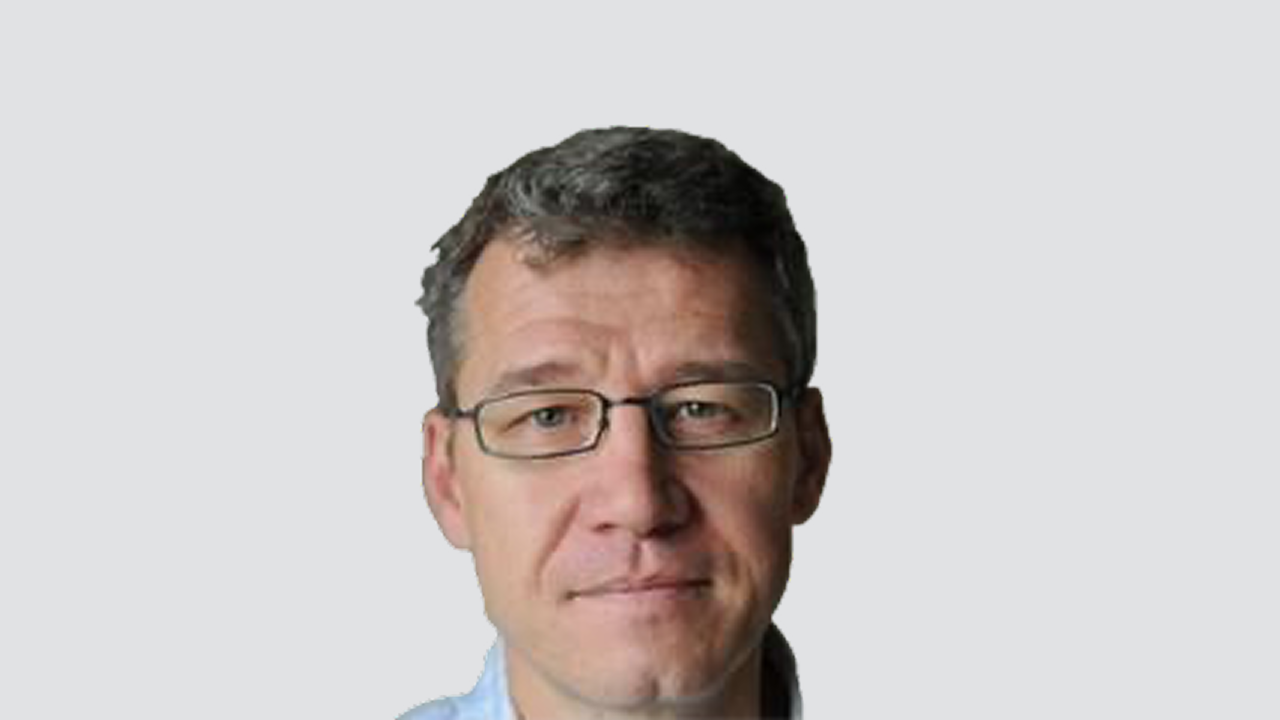
Alexander Cheiki, Commercial Director at BeFC

“The Canadian market is highly promising, with strong interest from mid-sized companies in Cleantech solutions and partnerships with EU firms—an excellent opportunity for us. In phase one, we partnered with one Canadian company and initiated collaboration with another. In phase two, we look forward to expanding partnerships across sectors like agriculture, industrial services, waste management, and water treatment, using BeFC’s products to drive sustainable innovation in Canada”.

BeFC Bioenzymatic Fuel Cells  logo

BeFC, based in France, generates electricity using paper and enzymes, creating a sustainable, metal-free alternative to traditional batteries. Their biofuel cells convert sugars and oxygen into energy, ideal for next-generation, ultra-low-power electronics. This eco-friendly technology simplifies disposal and recycling, minimizing environmental impact.

BeFC partnered with Elephant Island Winery to introduce its innovative biofuel cell technology, now in a pilot phase with ReFeed. This collaboration showcases BeFC’s sustainable power solution, with plans for broader adoption across Canada following the pilot’s success.

Michel Delanaye, CEO & Founder of MITS

“Partnership with the LCBA Canada project offers an extraordinary opportunity to expand our presence in the Canadian market, a highly promising and strategically important arena. Canada represents a vast market with a strong commitment to reducing greenhouse gas emissions, creating a favourable landscape for technological solutions that support these goals. The large Canadian cities, for instance, present significant demand for urban sustainability innovations—an area where cleantech products can make a substantial impact. On the other hand, Canada has numerous remote areas where access to clean and reliable energy sources is limited, providing a unique opportunity for our technology to shine by delivering efficient, clean power to these remote locations.

Our engagement with LCBA has been instrumental in connecting us with key Canadian stakeholders, expanding our network and fostering new collaborations in the country. We have already partnered with NGIF (National Gas Industry Fund), a critical strategic step, but this is just the beginning of our journey in Canada. Our goal is to continue developing and solidifying our business in the region, leveraging LCBA’s support to identify and seize opportunities that align with our growth and innovation objectives”.

MITIS logo

MITIS develops clean technology for efficient electric power generation, specializing in high-performance micro CHP systems, heat exchangers, and combustion chambers. Focused on sustainability, MITIS aims to reduce global energy consumption and CO2 emissions by delivering cost-effective, long-lasting solutions for a cleaner future.

The Belgium based company has been recognized for its commitment to emissions reduction through its advanced flameless microturbines, now transferred to NGIF Capital. These microturbines boost efficiency without burning fossil fuels.
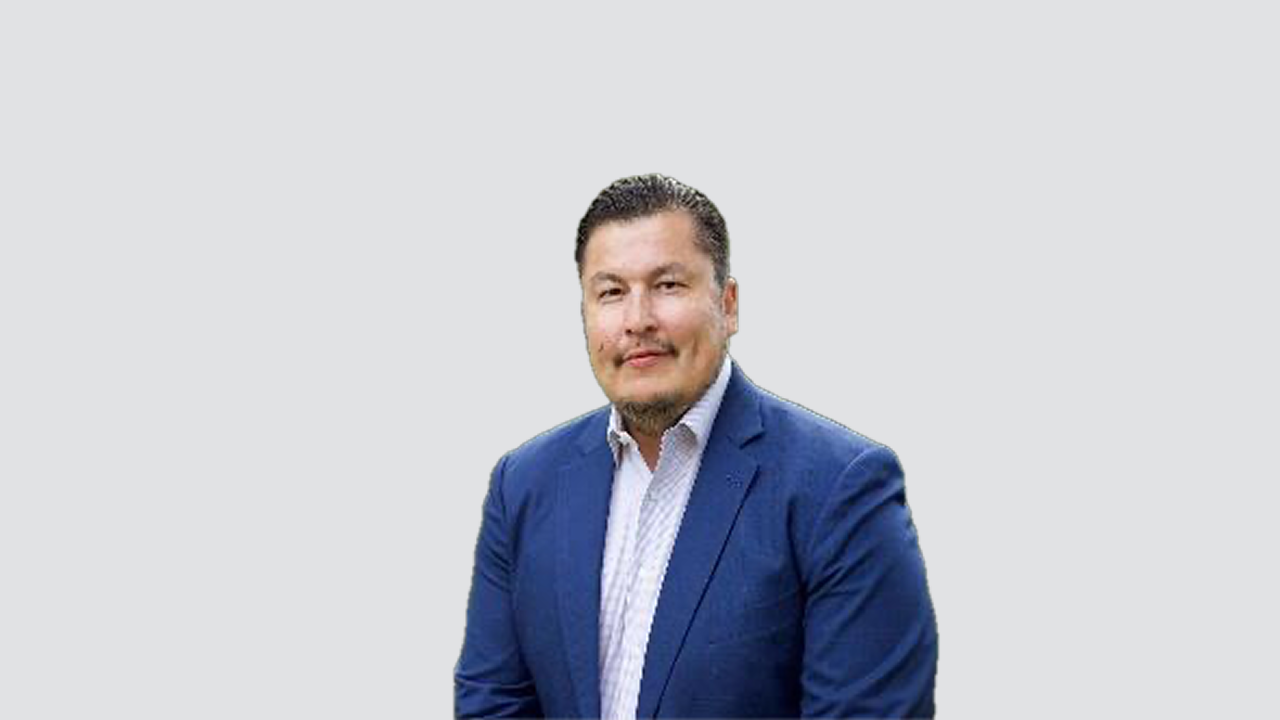
Michel Delanaye, CEO & Founder of MITS

“Partnership with the LCBA Canada project offers an extraordinary opportunity to expand our presence in the Canadian market, a highly promising and strategically important arena. Canada represents a vast market with a strong commitment to reducing greenhouse gas emissions, creating a favourable landscape for technological solutions that support these goals. The large Canadian cities, for instance, present significant demand for urban sustainability innovations—an area where cleantech products can make a substantial impact. On the other hand, Canada has numerous remote areas where access to clean and reliable energy sources is limited, providing a unique opportunity for our technology to shine by delivering efficient, clean power to these remote locations.

Our engagement with LCBA has been instrumental in connecting us with key Canadian stakeholders, expanding our network and fostering new collaborations in the country. We have already partnered with NGIF (National Gas Industry Fund), a critical strategic step, but this is just the beginning of our journey in Canada. Our goal is to continue developing and solidifying our business in the region, leveraging LCBA’s support to identify and seize opportunities that align with our growth and innovation objectives”.

MITIS logo

MITIS develops clean technology for efficient electric power generation, specializing in high-performance micro CHP systems, heat exchangers, and combustion chambers. Focused on sustainability, MITIS aims to reduce global energy consumption and CO2 emissions by delivering cost-effective, long-lasting solutions for a cleaner future.

The Belgium based company has been recognized for its commitment to emissions reduction through its advanced flameless microturbines, now transferred to NGIF Capital. These microturbines boost efficiency without burning fossil fuels.

Derek M. Bruno, Managing Partner, SevGen Consulting

“The biggest opportunities in Canada lie with Indigenous communities. The Canadian Council for Aboriginal Business has highlighted that the future of the Canadian economy is Indigenous, a sentiment echoed by many economists in the country. To tap into this potential, fostering partnerships and building meaningful relationships will be key.

The LCBA program in Canada has a promising future and strongly leveraged these connections. The project provided a platform for exposure between European Union companies and First Nations leaders, investors, and entrepreneurs. Currently, there is a significant gap in understanding and collaboration between these groups, which needs to be bridged to unlock opportunities and establish effective ways of doing business together.

In Canada, relationships are often as important as the technology or the deal itself. Building these connections will require intentional and sustained efforts to bring both groups together, enabling them to learn from each other and lay the groundwork for successful partnerships”.

SevGen Consulting Inc. is a 100% Indigenous-owned, multi-disciplinary management consulting firm specializing in innovative solutions that promote equity, collaboration, and inclusion within an Indigenous context.

With a network of skilled Indigenous and non-Indigenous professionals, the firm has the expertise to engage, develop, and implement high-quality projects of any scale. SevGen collaborates with businesses, communities, governments, and stakeholders to build effective partnerships, providing practical tools and guidance to help clients achieve their goals and strategies.
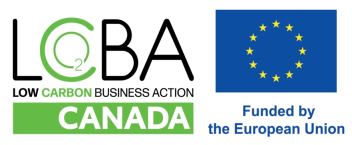

Derek M. Bruno, Managing Partner, SevGen Consulting

“The biggest opportunities in Canada lie with Indigenous communities. The Canadian Council for Aboriginal Business has highlighted that the future of the Canadian economy is Indigenous, a sentiment echoed by many economists in the country. To tap into this potential, fostering partnerships and building meaningful relationships will be key.

The LCBA program in Canada has a promising future and strongly leveraged these connections. The project provided a platform for exposure between European Union companies and First Nations leaders, investors, and entrepreneurs. Currently, there is a significant gap in understanding and collaboration between these groups, which needs to be bridged to unlock opportunities and establish effective ways of doing business together.

In Canada, relationships are often as important as the technology or the deal itself. Building these connections will require intentional and sustained efforts to bring both groups together, enabling them to learn from each other and lay the groundwork for successful partnerships”.

SevGen Consulting Inc. is a 100% Indigenous-owned, multi-disciplinary management consulting firm specializing in innovative solutions that promote equity, collaboration, and inclusion within an Indigenous context.

With a network of skilled Indigenous and non-Indigenous professionals, the firm has the expertise to engage, develop, and implement high-quality projects of any scale. SevGen collaborates with businesses, communities, governments, and stakeholders to build effective partnerships, providing practical tools and guidance to help clients achieve their goals and strategies.

REGISTER

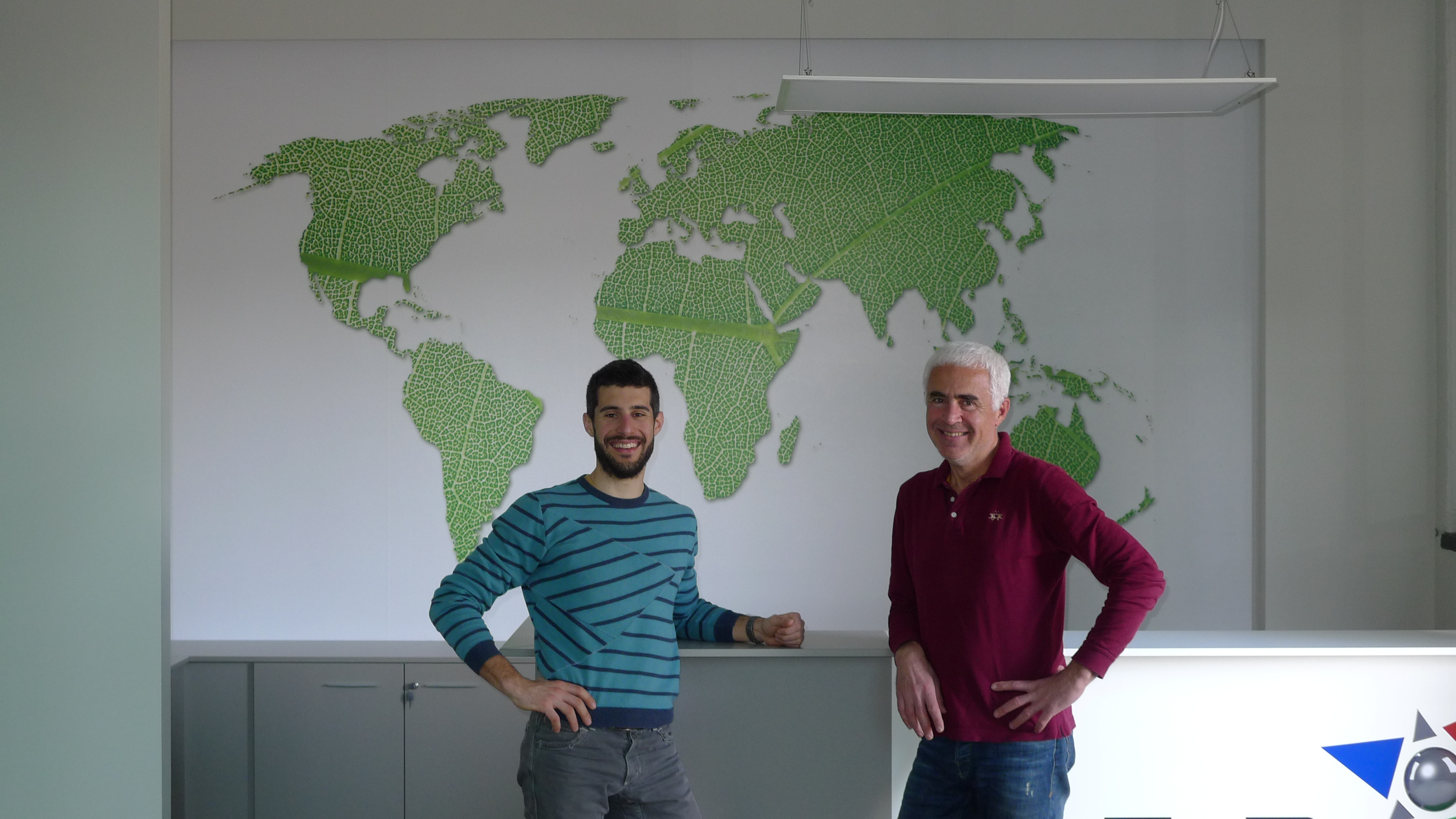
From a Family Workshop in Italy to Energy Independence in Canada
JOURNEY TOWARD IMPACT 

From Europe to Canada: Sustainable solutions that work

Journey Toward Impact is a series highlighting partnerships facilitated by the European Union-funded Low Carbon and Circular Economy Business Action in Canada (LCBA Canada) project. By connecting European cleantech innovators with Canadian companies and communities, LCBA Canada helps turn promising ideas into real partnerships that support decarbonisation and a circular economy transition.KiRa Technology's journey is one example of how European innovation, backed by EU-supported collaboration, is creating tangible impact across the Atlantic.

From a Family Workshop in Italy to Energy Independence in Canada

Some companies begin with a business plan. KiRa Technology began with what Fabio Pellegrini cheerfully calls a crazy idea between father and son. The two come from completely different worlds. Fabio is a mechanical engineer who spent years in the automotive sector while his father, Piergiorgio, used to work as IT manager and programmer since the 1970s and also gained experience in the green building sector. In 2014, in their small Northitalian town of Forlí they sat down together in front of a blank sheet of paper.

 “We wanted to make something completely new: a device that could turn waste biomass into energy for homes. We started from a blank piece of paper and designed every part of the system ourselves,” Fabio explains. The pair wanted to try something like a pyrolytic stove they had seen in a YouTube video. From that experiment grew a decade of serious engineering.

It helped that the idea was rooted in a sector that the family was already familiar with. Fabio grew up in a rural area where his grandfather kept a hobby farm, pressing the family’s own olive oil and wine. “Both my father and I are very passionate about nature and the mountains,” he says. “We have a deep relationship with the environment, and the idea was born from something we were feeling inside.” Leaving a demanding job at Ferrari, far from home, to come back and build both a family and a company was, in his telling, the natural thing to do.

None of it happened quickly. It took from 2014 to 2023 - almost ten years - to move from prototype to market, sustained by a small regional startup grant and a good deal of patience.

What’s in a name? The name KiRa carries the whole philosophy in two syllables. “Ki is the Japanese concept of energy,” Fabio explains, “and Ra is the Egyptian sun god. The idea is that everything comes from the sun: the sun makes the plants grow, and we use the plants to make energy, so we are using the sun’s energy in an indirect way.”

The biomass generator Fabio and his father invented.

A small machine with a big idea

The product is called BioGS-1.0, and consists of a compact biomass micro-cogenerator, roughly the size of a household freezer, that produces electricity and heat at the same time. Its fuel is waste vegetable biomass: residual wood and agricultural, forestry or industrial residues that would otherwise be discarded, first turned into pellets. What makes it smart is what it does with those pellets. Rather than simply burning them, the unit gasifies them, heating them with very little air to release a combustible gas that drives a Stirling engine.

A single unit can deliver up to 24 kWh of electricity and up to 160 kWh of heat a day at an overall efficiency above 95%, running quietly and working either off-grid or connected to the grid. The third output is the circular twist: biochar. Mixed into soil, it helps the ground hold water, so crops grow with less irrigation and less fertiliser. KiRa even proposes a small local loop: a few farms pool their waste, pellet it once, share the pellets, generate energy, and then return the biochar to the land before starting the cycle again.


EMBED EXPLAINER VIDEO PROVIDED BY KIRA

Crossing the Atlantic

The company never waited for the market to come to it. Largely by word of mouth and through its own website, it had already placed units among “early adopters” in Italy, France, Finland, Sweden and Japan. Since 2024, the company has been deliberately building a network of resellers abroad, open to new partners wherever they emerge. So when the Low Carbon Business Action (LCBA) Canada Project approached them they were immediately interested. Through the European Union-funded LCBA Canada project, KiRa identified Canada as a strategic market and was introduced to potential Canadian partners.

Canada, as Fabio points out, “is the place where the wood pellet was born,” a country with abundant biomass, many homes beyond the reach of the grid, and winters far harsher than the Mediterranean, where solar panels alone cannot deliver energy autonomy. It matched a need KiRa already understood. A handful of its customers already run completely off-grid, and the company’s message has shifted accordingly. “Saving on energy costs is no longer our main pitch,” Fabio says. For people with no gas connection and no grid, our machine provides them with energy independence.

Pull quote or short video snippet from the interview

And in addition, the positive environmental balance is another plus in their model: each unit sequesters an estimated 13.7 kg of CO₂e a day compared with a conventional micro-diesel system, while returning carbon-rich biochar to the soil.

Through LCBA Canada’s matchmaking, KiRa has now signed several Letters of Intent with Canadian companies which is the first concrete steps toward bringing the technology across the Atlantic. The commitments range from a single demonstration unit to a multi-unit deployment, with one partner exploring becoming KiRa’s Canadian sales representative and another using technical assistance to seek the grant funding for a first installation.

Both sides contribute, both sides benefit

With this type of partnership, value undoubtedly flows into two directions. However, KiRa cannot run a Canadian operation from a workshop in Italy: installation, maintenance and after-sales support all have to happen locally. They need partners who can take care of this part. In return, KiRa brings a technology proven over nearly a decade and a product line for a Canadian partner to represent; the partners bring market knowledge, on-the-ground capacity, and, in several cases, a clear goal of energy self-determination. Both sides contribute; both sides benefit.

“One of the most rewarding parts of our work is seeing how a single introduction can grow into a real partnership. By connecting European innovators with Canadian partners, we help sustainable solutions move from idea to real-world impact.”

— Jose Canjura, Project Team Leader, LCBA Canada


These partnerships also demonstrate the broader objective of the European Union's support for LCBA Canada: helping innovative European SMEs expand internationally while contributing to Canada's transition to a low-carbon, circular economy.

What happens next

For all the promise, Fabio is honest about where things stand: nobody, he has learned, signs a contract for a machine they have not seen working. “Everything starts from a pilot somewhere,” he says and that is exactly where the Canadian partnerships are headed. The decisive next step is a funded demonstration on Canadian soil, and they are currently looking for funding to make this happen.

A journey toward impact

It is a long way from a workshop on the Adriatic to off-grid homes and farms across Canada. KiRa is still small: two founders, one employee, around a dozen units in the world and Fabio is the first to say the business is not yet sustainable. But the conviction that started it a decade ago is unchanged: that everyone can, and should, be part of the change. For KiRa Technology and its Canadian partners, these agreements mark the beginning of a journey toward impact, where European innovation and Canadian leadership meet to put energy independence within reach of the communities that want it most.Discover more partnerships and opportunities at lcbacanada.com  (or follow us on LinkedIn)

JOURNEY TOWARD IMPACT 

From Europe to Canada: Sustainable solutions that work

Journey Toward Impact is a series highlighting partnerships facilitated by the European Union-funded Low Carbon and Circular Economy Business Action in Canada (LCBA Canada) project. By connecting European cleantech innovators with Canadian companies and communities, LCBA Canada helps turn promising ideas into real partnerships that support decarbonisation and a circular economy transition.KiRa Technology's journey is one example of how European innovation, backed by EU-supported collaboration, is creating tangible impact across the Atlantic.

From a Family Workshop in Italy to Energy Independence in Canada

Some companies begin with a business plan. KiRa Technology began with what Fabio Pellegrini cheerfully calls a crazy idea between father and son. The two come from completely different worlds. Fabio is a mechanical engineer who spent years in the automotive sector while his father, Piergiorgio, used to work as IT manager and programmer since the 1970s and also gained experience in the green building sector. In 2014, in their small Northitalian town of Forlí they sat down together in front of a blank sheet of paper.

 “We wanted to make something completely new: a device that could turn waste biomass into energy for homes. We started from a blank piece of paper and designed every part of the system ourselves,” Fabio explains. The pair wanted to try something like a pyrolytic stove they had seen in a YouTube video. From that experiment grew a decade of serious engineering.

It helped that the idea was rooted in a sector that the family was already familiar with. Fabio grew up in a rural area where his grandfather kept a hobby farm, pressing the family’s own olive oil and wine. “Both my father and I are very passionate about nature and the mountains,” he says. “We have a deep relationship with the environment, and the idea was born from something we were feeling inside.” Leaving a demanding job at Ferrari, far from home, to come back and build both a family and a company was, in his telling, the natural thing to do.

None of it happened quickly. It took from 2014 to 2023 - almost ten years - to move from prototype to market, sustained by a small regional startup grant and a good deal of patience.

What’s in a name? The name KiRa carries the whole philosophy in two syllables. “Ki is the Japanese concept of energy,” Fabio explains, “and Ra is the Egyptian sun god. The idea is that everything comes from the sun: the sun makes the plants grow, and we use the plants to make energy, so we are using the sun’s energy in an indirect way.”

The biomass generator Fabio and his father invented.

A small machine with a big idea

The product is called BioGS-1.0, and consists of a compact biomass micro-cogenerator, roughly the size of a household freezer, that produces electricity and heat at the same time. Its fuel is waste vegetable biomass: residual wood and agricultural, forestry or industrial residues that would otherwise be discarded, first turned into pellets. What makes it smart is what it does with those pellets. Rather than simply burning them, the unit gasifies them, heating them with very little air to release a combustible gas that drives a Stirling engine.

A single unit can deliver up to 24 kWh of electricity and up to 160 kWh of heat a day at an overall efficiency above 95%, running quietly and working either off-grid or connected to the grid. The third output is the circular twist: biochar. Mixed into soil, it helps the ground hold water, so crops grow with less irrigation and less fertiliser. KiRa even proposes a small local loop: a few farms pool their waste, pellet it once, share the pellets, generate energy, and then return the biochar to the land before starting the cycle again.


EMBED EXPLAINER VIDEO PROVIDED BY KIRA

Crossing the Atlantic

The company never waited for the market to come to it. Largely by word of mouth and through its own website, it had already placed units among “early adopters” in Italy, France, Finland, Sweden and Japan. Since 2024, the company has been deliberately building a network of resellers abroad, open to new partners wherever they emerge. So when the Low Carbon Business Action (LCBA) Canada Project approached them they were immediately interested. Through the European Union-funded LCBA Canada project, KiRa identified Canada as a strategic market and was introduced to potential Canadian partners.

Canada, as Fabio points out, “is the place where the wood pellet was born,” a country with abundant biomass, many homes beyond the reach of the grid, and winters far harsher than the Mediterranean, where solar panels alone cannot deliver energy autonomy. It matched a need KiRa already understood. A handful of its customers already run completely off-grid, and the company’s message has shifted accordingly. “Saving on energy costs is no longer our main pitch,” Fabio says. For people with no gas connection and no grid, our machine provides them with energy independence.

Pull quote or short video snippet from the interview

And in addition, the positive environmental balance is another plus in their model: each unit sequesters an estimated 13.7 kg of CO₂e a day compared with a conventional micro-diesel system, while returning carbon-rich biochar to the soil.

Through LCBA Canada’s matchmaking, KiRa has now signed several Letters of Intent with Canadian companies which is the first concrete steps toward bringing the technology across the Atlantic. The commitments range from a single demonstration unit to a multi-unit deployment, with one partner exploring becoming KiRa’s Canadian sales representative and another using technical assistance to seek the grant funding for a first installation.

Both sides contribute, both sides benefit

With this type of partnership, value undoubtedly flows into two directions. However, KiRa cannot run a Canadian operation from a workshop in Italy: installation, maintenance and after-sales support all have to happen locally. They need partners who can take care of this part. In return, KiRa brings a technology proven over nearly a decade and a product line for a Canadian partner to represent; the partners bring market knowledge, on-the-ground capacity, and, in several cases, a clear goal of energy self-determination. Both sides contribute; both sides benefit.

“One of the most rewarding parts of our work is seeing how a single introduction can grow into a real partnership. By connecting European innovators with Canadian partners, we help sustainable solutions move from idea to real-world impact.”

— Jose Canjura, Project Team Leader, LCBA Canada


These partnerships also demonstrate the broader objective of the European Union's support for LCBA Canada: helping innovative European SMEs expand internationally while contributing to Canada's transition to a low-carbon, circular economy.

What happens next

For all the promise, Fabio is honest about where things stand: nobody, he has learned, signs a contract for a machine they have not seen working. “Everything starts from a pilot somewhere,” he says and that is exactly where the Canadian partnerships are headed. The decisive next step is a funded demonstration on Canadian soil, and they are currently looking for funding to make this happen.

A journey toward impact

It is a long way from a workshop on the Adriatic to off-grid homes and farms across Canada. KiRa is still small: two founders, one employee, around a dozen units in the world and Fabio is the first to say the business is not yet sustainable. But the conviction that started it a decade ago is unchanged: that everyone can, and should, be part of the change. For KiRa Technology and its Canadian partners, these agreements mark the beginning of a journey toward impact, where European innovation and Canadian leadership meet to put energy independence within reach of the communities that want it most.Discover more partnerships and opportunities at lcbacanada.com  (or follow us on LinkedIn)